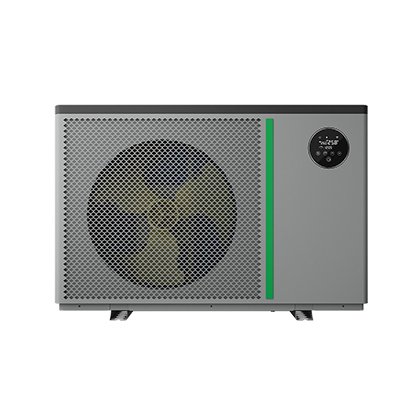
A fan coil unit (FCU) is a compact terminal device in an HVAC system that uses a fan to circulate room air over a heat exchanger coil, providing localized heating or cooling without extensive ductwork. Hydronic fan coil units work exceptionally well with air source heat pumps due to shared operational characteristics and energy efficiency.
What is a Fan Coil Unit?
A fan coil unit is a simple, effective HVAC device for regulating indoor temperature in a specific zone or room. It typically consists of a fan, a heating/cooling coil, a filter, and a control system (thermostat).
Working Principle: The fan draws indoor air into the unit and forces it across the coil. The coil contains either chilled water (for cooling) or hot water (for heating) supplied from a central chiller or boiler/heat pump. Heat exchange occurs as the air passes over the coil, and the conditioned air is then distributed back into the room.
Components: Key components include the fan (often multi-speed), coil (copper or aluminum pipes), air filter, drain pan (for condensation during cooling), and a local thermostat for control.
Features and Benefits
Individual Zone Control: Each FCU can be controlled by its own thermostat, allowing occupants to set the desired temperature for specific rooms, which prevents unnecessary conditioning of unoccupied areas.
Energy Efficiency: By allowing localized control and using water as a heat transfer medium (which can be more efficient than air-based systems), FCUs can reduce energy consumption, especially when paired with modern, efficient central systems like heat pumps.
Installation Flexibility: Available in various configurations (wall-mounted, floor-standing, concealed, exposed), FCUs are ideal for both new builds and retrofit projects where space is limited or running large ductwork is not feasible.
Improved Air Quality (with filtration): FCUs include filters to remove dust and particulates, and some advanced systems can incorporate high-efficiency (HEPA) filters to further improve indoor air quality.
Quiet Operation: Since major mechanical equipment like chillers or compressors are typically located remotely in a plant room, FCUs produce only fan noise, which is generally quieter than standalone split AC indoor units.
Types of Fan Coil Units
FCUs are primarily categorized by their installation method and configuration:
| Type | Installation location | Key Features | Suitable For |
| Concealed Ceiling | Above a false ceiling, hidden from view. | Aesthetic appeal, uniform air distribution, requires pre-installed piping. | Homes, offices, hotels, stylish shops. |
| Exposed Ceiling | Mounted directly under the ceiling without a false ceiling. | Easy installation and maintenance access, lower cost. | Warehouses, workshops, public areas. |
| Wall-Mounted | Installed visibly on the wall, similar to a mini-split indoor unit. | Compact size, simple installation, often remote-controlled. | Bedrooms, home offices, residential units. |
| Floor-Standing | Placed on the floor along a wall. | Easy service access, suitable where ceiling/wall space is limited. | Halls, corridors, classrooms. |
| Cassette | Installed within the ceiling, with a decorative panel visible, discharging air in one, two, or four directions. | Modern appearance, even air distribution. | Restaurants, lobbies, large offices. |
| Ducted (Concealed) | Hidden in the ceiling or a service zone, connects to small diameter ducts to serve one or more areas. | Zone control, can cover multiple areas, requires more planning. | Multi-room residences, commercial projects. |
Systems are also classified by piping:
Two-pipe system: Uses a single coil for both hot water (winter heating) and chilled water (summer cooling), requiring seasonal changeover.
Four-pipe system: Uses two separate coils and piping systems (one for hot water, one for chilled water), allowing simultaneous heating and cooling in different zones of a building, ideal for luxury venues or diverse climate needs.
Hydronic FCUs and Air Source Heat Pumps
Hydronic fan coil units are an excellent match for air source heat pumps (ASHPs). This combination is highly energy-efficient and future-proof for modern HVAC system designs:
Matching Operating Temperatures: Heat pumps operate most efficiently at lower water flow temperatures. FCUs are specifically designed to operate effectively at these lower temperatures, making them ideal partners.
Year-Round Performance: Reversible heat pumps provide both heating and cooling. FCUs leverage this capability effectively, switching between modes with rapid response times.
Enhanced Efficiency: The variable speed fans in modern FCUs can adjust airflow based on real-time demand, complementing the variable operation of inverter heat pumps to reduce energy waste.
Renewable Energy Integration: This combination leverages renewable energy sources effectively, contributing to environmental sustainability.
Best Brands of Water Fan Coil Units
When considering top brands, look for reputable manufacturers with a history of quality and innovation in hydronic systems. These often include major HVAC players and specialists:
Daikin: Offers a wide range of FCU types (cassette, exposed, concealed, etc.) known for their versatile climate control solutions.
Hitachi: Provides fan coil units designed to pair seamlessly with their air-to-water heat pumps, emphasizing high efficiency and ease of integration.
Gree: Manufactures FP series fan coil units for both two-pipe and four-pipe systems, suitable for various applications from apartments to hospitals.
Carrier/Haier/Trane/Lennox: These large, established HVAC companies also offer a variety of reliable FCU options for residential and commercial use.
Specialty/OEM Brands: Companies like KLR Group produce a diverse range of hydronic units, often focusing on specific features like ultra-thin designs or integration with specific heat pump systems, they can custom the fan coil unit according to customers demand.
How to Choose the Right Fan Coil Unit
Selecting the appropriate FCU involves careful consideration of several factors:
Room Size and Heat Load: Accurate load calculations for the space (heating/cooling demand) are crucial. Oversized or undersized units lead to inefficiencies.
Installation Location and Aesthetics: Choose a type (concealed, exposed, wall, floor, cassette) that fits the architectural design and available space. Concealed units are preferred for aesthetics, while exposed units offer easier maintenance.
System Compatibility: Ensure the FCU is compatible with your central heating/cooling source (chiller, boiler, heat pump). Verify water temperature ranges and flow rates.
Piping System: Decide between a two-pipe (seasonal changeover) or four-pipe system (simultaneous heating/cooling) based on your building’s operational needs and budget.
Noise Level: Consider units with variable-speed or ECM motors, which operate more quietly, especially important for bedrooms and offices.
Control Options: Look for units that offer desired control features, such as local thermostats, wireless remote control, or integration with a Building Management System (BMS) for enhanced monitoring and efficiency.
Maintenance Access: Plan for easy filter cleaning and coil maintenance to ensure optimal performance and air quality over the unit’s lifespan. Consulting with an HVAC professional is highly recommended to ensure the best selection for your specific project.
Conclusion:
Fan coil unit is a important part in HVAC system. Before you choose reliable supplier or partner, you can refer above suggestion. The big brand companies can offer standard products range and good service, like Dakin, Hitachi, Gree, Carrier etc. If you want to find a trusted OEM manufacturer or factory for your business, KLR group, they will be your good choice.