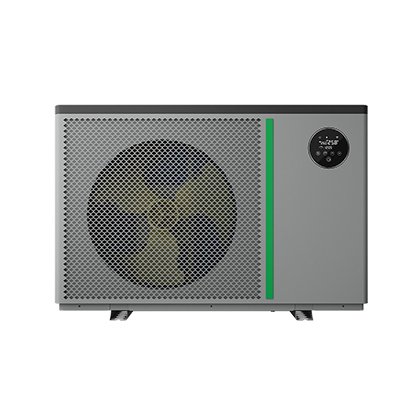
Heat Pump for Greenhouse: Complete Guide to Energy-Efficient Climate Control
Greenhouse heating accounts for approximately 50% of total energy consumption in crop cultivation, making temperature control the single largest operating cost for commercial growers. With rising fuel prices and increasing pressure to reduce carbon emissions, heat pump technology has emerged as the most efficient solution for greenhouse climate management—delivering stable temperatures, dramatic energy savings, and zero on-site emissions.
This comprehensive guide covers everything growers and project developers need to know about using heat pumps for greenhouses, from system types to real-world performance data.
Why Heat Pumps Are Ideal for Greenhouse Heating
The Problem with Traditional Greenhouse Heating
Traditional greenhouse heating has relied on coal-fired boilers, natural gas heaters, and electric resistance systems. These methods are increasingly problematic:
High operating costs: Fuel prices continue to rise, squeezing already thin agricultural margins
Environmental regulations: Many regions have banned or restricted coal-fired heating due to pollution concerns
Temperature instability: Conventional systems struggle to maintain the precise temperatures crops need
Heat Pump Advantages for Greenhouse Applications
Dramatic Energy Savings
Research consistently shows that heat pumps deliver exceptional efficiency. A solar-assisted air source heat pump system in the Gobi Desert achieved average COP values of 4.33 and 4.81 during heat absorption and release phases, reducing energy consumption by 84.7% compared to coal heating. In practical greenhouse applications, growers have seen annual operating costs drop from €70/m² to €27-28/m² after switching from coal boilers to heat pumps.
Precise Temperature Control
Modern heat pumps with inverter technology maintain greenhouse temperatures stable, providing the stable conditions crops need for optimal growth. This precision eliminates the temperature swings that stress plants and reduce yields.
Dual Heating and Cooling
Unlike boilers that only heat, heat pumps can both heat and cool, providing year-round climate control. In summer, they can help manage excessive heat; in winter, they deliver reliable heating even in extreme cold.
Environmental Compliance
With increasing environmental regulations on fossil fuel heating, heat pumps offer a zero-emission on-site solution that aligns with sustainable agriculture goals while avoiding regulatory penalties.
Real-World Performance: What the Data Shows
Solar-Assisted Heat Pump in Gobi Desert
A study conducted in the Gobi Desert region evaluated a combined solar air source heat pump and ground pipe heating system for Chinese assembled solar greenhouses. Key results:
Daytime temperature reduction: Up to 5°C lower maximum temperatures
Nighttime temperature increase: Up to 8°C higher minimum temperatures, preventing crop frost damage
Heat absorption rate: 14-16 KJ/s
Heat release rate: 36.5-37.5 KJ/s
Average COP: 4.33 (absorption) and 4.81 (release)
Payback period: 4 years
Dual-Source Heat Pump with Energy Transfer
Research from Beijing demonstrates a dual-source heat pump system that transfers surplus heat from one greenhouse to another. The system collects surplus air heat inside Chinese solar greenhouses (CSGs) and uses it to heat adjacent multi-span greenhouses:
COP with surplus air heat: 4.3-4.8, which is 23-26% higher than using ambient air
Overall COP: 3.4-4.2 throughout the heat collection process
Area matching: The CSG area should be at least twice the multi-span greenhouse area for optimal performance
Butterfly Orchid Greenhouse Case Study
A 10,000 m² butterfly orchid greenhouse in northern China, with design temperatures of 18-22°C and extreme winter lows of -23°C, installed 12 units of 30HP air source heat pumps with underfloor heating:
Winter heating cost: €27-28/m² (compared to €70/m² with coal)
Electricity rate: approximately €0.06/kWh
Result: More than 60% cost reduction compared to traditional coal heating
Types of Heat Pumps for Greenhouse Applications
Air Source Heat Pumps
Best for: Most greenhouse applications where installation flexibility is important.
Air source heat pumps extract heat from ambient air and are the most common choice for greenhouses due to lower installation costs and simpler setup. Modern models operate effectively even in temperatures as low as -25°C to -35°C through advanced EVI (Enhanced Vapor Injection) technology.
Limitation: Efficiency decreases in very cold weather, though this is less of an issue for greenhouses where daytime solar gains provide some natural heating.
Ground Source (Geothermal) Heat Pumps
Best for: Larger greenhouse operations with access to suitable land for ground loops.
Ground source heat pumps use stable underground temperatures (10-13°C year-round) to achieve higher and more consistent COP values. An integrated medium-deep geothermal and shallow water-source heat pump system in Shaanxi Province achieved COP values of 4.5-5.3 during cooling season.
Limitation: Higher upfront installation costs due to ground loop or borehole requirements.
Water Source Heat Pumps
Best for: Greenhouses with access to ponds, wells, or other water sources.
Water source heat pumps achieve higher and more stable COP values because water temperatures remain more consistent than air temperatures. The integrated system in Shaanxi used a combination of medium-deep geothermal wells (2,700 m deep) and shallow water-source well fields to provide both heating and cooling for a large-scale greenhouse facility.
How to Size a Heat Pump for Your Greenhouse
Proper sizing is critical—undersized units will struggle during cold snaps, while oversized units waste money and cycle inefficiently.
Key Factors in Greenhouse Heat Pump Sizing
- Setpoint Temperature
The internal setpoint temperature has the strongest impact on heating demand. Research shows that raising the setpoint from 12°C to 18°C results in a 100% increase in peak heating demand. Determining the optimal temperature for your specific crop is the first step.
- Greenhouse Height
Greenhouse height is the second most influential parameter. Taller greenhouses have larger enclosed air volumes and greater envelope surface areas, increasing convective heat losses. Research indicates that reducing height from 3m to 2m decreases heating demand by 10-13.3%. However, taller greenhouses offer agronomic benefits for vertical crops.
- Greenhouse Structure
The structure type matters: a study comparing Quonset and single-span structures found a 12.5% difference in required heat pump power (16 kW vs. 18 kW for the same conditions).
- Climate and Location
Local climate conditions determine both peak heating load and annual energy consumption. Colder climates require larger heat pumps and potentially cold-climate models with enhanced defrost or EVI technology.
- Crop Type and Leaf Index Area
Different crops have different temperature requirements. While Leaf Index Area has a relatively minor effect on heating demand (only 0.6 kW difference between LIA of 3 and 5), it does affect the heating period—more crop cultivation may require earlier morning heating.
Professional Sizing Approach
Modern greenhouse heat pump sizing uses dynamic simulation models that account for:
Hourly solar gains and thermal losses
Plant transpiration effects
Soil heat exchange
Ventilation losses
Real-time weather data
This approach avoids the over- or under-dimensioning common with rough calculation methods.
Looking for a Professional Greenhouse Heat Pump Solution? Partner with KLR Heat Pump
If you are a greenhouse grower, distributor, or project developer looking for a reliable heat pump manufacturer, KLR Heat Pump offers specialized solutions for agricultural applications with full OEM and custom manufacturing services.
Why KLR Heat Pump for Greenhouse Projects?
✅ Specialized Agricultural Solutions
KLR understands the specific challenges of greenhouse climate control—the need for precise temperature management, corrosion resistance for humid environments, and reliable operation during critical growing periods.
✅ Full OEM & Custom Manufacturing
KLR specializes in OEM/ODM production for partners who want to build their own brand. Customization includes:
Your logo and branding on the unit
Refrigerant options: R32, R290, or R410a
Capacity range: From residential units to commercial systems (up to 150 kW+)
Custom control logic for greenhouse-specific climate management
Corrosion-resistant heat exchangers for humid greenhouse conditions
✅ Proven Cold-Climate Performance
KLR heat pumps with EVI (Enhanced Vapor Injection) technology maintain full heating output at -25°C, making them suitable for greenhouse operations in cold climates. Units can deliver hot water up to 75°C for radiator and industrial applications.
✅ Energy-Saving Technology
KLR’s full inverter heat pumps achieve COP values up to 4.9 with A+++ energy ratings, using DC inverter compressors and micro-channel heat exchangers to improve thermal efficiency by 45%. Units operate at ultra-quiet levels and support smart control integration.
✅ Proven Global Export Track Record
KLR heat pumps are trusted in 100+ countries, with 500,000+ units produced annually and 1,000+ custom partnerships worldwide. In demanding markets like Scandinavia, KLR units maintained 55°C output at -30°C with COP of 3.0, delivering 52% energy savings versus conventional boilers.
✅ Certified Quality
KLR holds CE, ISO9001, ISO14001, ISO45001, CRAA, and China Energy Saving Product Certification. Every unit undergoes full performance testing before shipment.
Who KLR Works With
KLR partners with wholesalers, distributors, greenhouse contractors, agricultural project developers, and HVAC companies seeking reliable heat pump supply with their own branding. Container-based customized orders and 24/7 technical support are available for overseas partners.
📩 Contact KLR Heat Pump for Your Greenhouse Project
Ready to get a factory-direct quote for greenhouse heat pumps? Reach out to KLR directly:
Factory: Foshan, Guangdong, China
Email: klrheatpump@163.com
Whatsapp: +86 134 2453 1875
Tell them you found them through this guide — and ask for a customized quote based on your greenhouse size, crop type, and climate requirements. KLR’s team will respond within 24 hours with a tailored solution.
Frequently Asked Questions
What is the best heating system for a greenhouse?
Heat pumps are increasingly the preferred choice for greenhouse heating due to their high efficiency (COP 3.5-5.0), precise temperature control, and environmental compliance. Research shows heat pumps reduce energy consumption by 80%+ compared to coal heating and offer payback periods of 2-4 years.
How much does a greenhouse heat pump cost?
Costs vary significantly by capacity and type. For a 10,000 m² greenhouse, a complete air source heat pump system may range from $30,000 to $80,000 depending on capacity, brand, and installation requirements. Operating costs are typically 50-70% lower than coal or electric heating.
Can heat pumps work in cold climates for greenhouse heating?
Yes. Modern heat pumps with EVI technology operate effectively in temperatures as low as -25°C to -35°C. Research in the Gobi Desert with outdoor temperatures of -18°C demonstrated effective greenhouse heating with heat pumps. For extreme cold, cold-climate models with enhanced defrost and vapor injection are recommended.
What COP can I expect from a greenhouse heat pump?
Well-designed greenhouse heat pump systems typically achieve COP values of 3.5 to 5.0 depending on the heat source (air, water, or ground), outdoor temperature, and system design. Solar-assisted and dual-source systems tend to achieve higher COP values than single-source air source heat pumps.
How long does a greenhouse heat pump last?
Quality greenhouse heat pumps typically last 10-15 years with proper maintenance. Units designed specifically for agricultural applications with corrosion-resistant components tend to have longer lifespans than standard HVAC units.
Key Takeaways for Greenhouse Growers
Greenhouse heating consumes ~50% of cultivation energy—heat pumps offer the most efficient solution
Heat pumps achieve COP of 3.5-5.0, dramatically outperforming boilers (COP ~0.9)
Real-world savings of 60-85% compared to coal or electric heating
Cold-climate models work at -25°C to -35°C with EVI technology
Payback periods of 2-4 years make heat pumps a smart investment
Dual heating and cooling provides year-round climate control
OEM partners like KLR Heat Pump offer factory-direct pricing, full customization, and proven cold-climate performance
Conclusion
Greenhouse heating is one of agriculture’s most energy-intensive operations, but heat pump technology has transformed what’s possible. With COP values of 3.5 to 5.0, energy savings of 60-85% compared to traditional systems,heat pumps offer greenhouse growers a compelling solution for reducing costs while improving crop conditions.
Whether you’re upgrading an existing facility or planning a new greenhouse project, the right heat pump system can dramatically reduce operating costs while improving crop health and yields.
And if you’re looking for a factory-direct OEM partner with proven cold-climate performance, full customization, and agricultural expertise, reach out to KLR Heat Pump today — their team is ready to help you build your greenhouse heating solution.
📩 Email: klrheatpump@163.com | 📞 Whatsapp +86 134 2453 1875