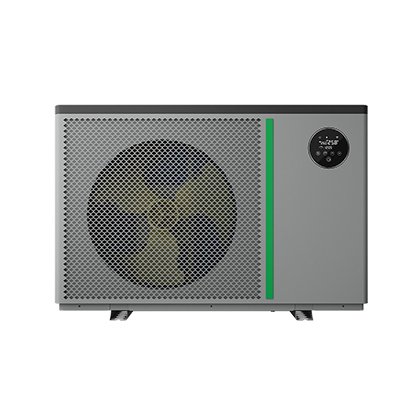
Heat Pump for Turtle Farming: The Complete Guide to Energy-Efficient Temperature Control
Turtle farming—whether for soft-shelled turtles, golden coin turtles, or ornamental species—requires precise water temperature management to maximize growth rates and minimize mortality. Traditional heating methods like coal boilers are energy-intensive, polluting, and increasingly expensive to operate. Heat pump technology has emerged as the modern solution, delivering stable temperatures, lower operating costs, and environmentally friendly operation for turtle farms of all sizes.
This guide covers everything you need to know about using heat pumps for turtle farming, from optimal temperature requirements to system selection and real-world applications.
Why Temperature Control Matters in Turtle Farming
Turtles are cold-blooded animals whose metabolism, feeding behavior, and growth rates are directly tied to water temperature. Getting the temperature wrong doesn’t just slow growth—it can stop it entirely.
Optimal Temperature Ranges for Different Species
| Species | Optimal Growth Temp | Feeding Temp | Hibernation Below |
| Soft-shelled turtle | 28–31°C | Above 25°C | 10–15°C |
| Golden coin turtle | 28–30°C | Above 20°C | 12°C |
| Yellow pond turtle | 28–31°C | 20–25°C | 15°C |
| Red-eared slider | 24–27°C | Above 20°C | 10°C |
At 28°C, turtles achieve optimal weight gain and feed conversion ratios (as low as 1.4%). At 23°C, total weight gain drops to just 30.7% of what it is at 28°C. At 20°C, turtles barely gain any weight at all. For soft-shelled turtles, the ideal water temperature is around 30°C, with air temperature maintained at 33–35°C.
Why Heat Pumps Are Ideal for Turtle Farming
The Problem with Traditional Heating
Most turtle farms have historically relied on coal-fired boilers for heating. In most regions, heating is required for 9–10 months per year, consuming massive amounts of energy while generating pollution and requiring high labor intensity.

Heat Pump Advantages
Dramatic Energy Savings
Research comparing heating systems for recirculating aquaculture shows that heat pumps achieve COP (Coefficient of Performance) values of 2.84 to 4.81, compared to just 0.90 for conventional boilers—a performance improvement of 400% or more. In practical terms, this translates to electricity savings of up to 70% compared to conventional water heaters.
Stable, Precise Temperature Control
Heat pumps with inverter technology maintain water temperature within ±1°C, eliminating the temperature fluctuations that stress turtles and disrupt feeding schedules. Advanced control systems automatically adjust output based on real-time water temperature, ensuring optimal conditions year-round.
Corrosion Resistance
Turtle farming water has specific chemical characteristics that can corrode standard equipment. Quality heat pumps designed for aquaculture use corrosion-resistant heat exchangers to ensure long equipment life and prevent water contamination.
Environmental Compliance
With increasing environmental regulations on coal boilers, heat pumps offer a zero-emission heating solution that aligns with green development goals while avoiding regulatory penalties.
Real-World Application: Large-Scale Turtle Farm Success
A recent project in Anhui Province, China demonstrates the effectiveness of heat pump technology for turtle farming at scale. The 32,800㎡ facility required precise temperature control across multiple breeding areas.
System Design:
Total heating load: 1,312 kW (designed at 40W/㎡)
Heating method: Water-source heat pumps with hot water air heaters
Supply water temperature: 45°C (return at 38°C)
Distribution: Hot-dip galvanized steel pipes with thick rubber insulation
Results Achieved:
Consistent water temperature in the optimal 28–32°C range for cold-blooded turtles
Reduced energy consumption compared to previous heating methods
Improved growth rates due to stable thermal conditions
Lower labor costs through automated temperature control
Zero emissions during operation
Types of Heat Pumps for Turtle Farms
Air Source Heat Pumps
Best for: Most turtle farming applications, especially where installation flexibility is important.
Air source heat pumps extract heat from ambient air and transfer it to the water. They are the most common choice due to lower installation costs and simpler setup. Modern models operate effectively even in -35°C conditions through advanced defrost technology.
Limitation: Efficiency decreases in very cold weather, making them less ideal for extreme climates.
Water Source Heat Pumps
Best for: Farms with access to stable water sources (wells, ponds, or recirculating systems).
Water source heat pumps achieve higher and more stable COP values (4.75–4.81) compared to air source units (2.84) because water temperatures remain more consistent than air temperatures. They are ideal for large-scale operations with existing water infrastructure.
Ground Source (Geothermal) Heat Pumps
Best for: Long-term operations where maximum efficiency is the priority.
Ground source heat pumps deliver the highest average COP (4.81) with superior year-round stability. While initial installation costs are higher due to ground loop requirements, the long-term energy savings often justify the investment for large commercial farms.
How to Size a Heat Pump for Your Turtle Farm
Proper sizing is critical—undersized units will struggle during cold snaps, while oversized units waste money and cycle inefficiently.
Key Factors in System Design
Water Volume: Total gallons/liters in all breeding tanks
Temperature Differential: The difference between incoming water temperature and target temperature
Heat Loss Rate: Affected by greenhouse insulation, surface area, and ambient conditions
Species Requirements: Target temperature range for your specific turtle species
Climate: Local weather patterns and seasonal temperature variations
Professional Sizing Approach
Modern design uses CFD (Computational Fluid Dynamics) simulation to accurately calculate heat loads rather than relying on rough formulas. In one study, CFD analysis determined that a pufferfish breeding workshop required 94.6 kW of cooling capacity at peak load, leading to a recommendation for a specific ground source heat pump model.
For turtle farms, a similar approach can be applied: model the thermal behavior of your facility before purchasing equipment to avoid costly oversizing or undersizing.
Looking for a Professional Turtle Farming Heat Pump Solution? Partner with KLR Heat Pump
If you are planning a turtle farming project—whether it’s a small breeding operation or a large-scale commercial facility—choosing the right heat pump manufacturer is critical. KLR Heat Pump specializes in OEM and custom heat pump manufacturing for aquaculture applications, with proven solutions for turtle farming.
Why KLR Heat Pump?
✅ Direct Factory with 20+ Years of Experience
KLR is a direct manufacturer based in Foshan, Guangdong, China, with over 20 years of production experience. Unlike trading companies, KLR operates its own 20,000+ m² facility—which means you get factory-direct pricing without middlemen markups.
✅ Full OEM & Custom Manufacturing
KLR specializes in OEM/ODM production tailored to your specific turtle farming requirements. You bring your brand and specifications; KLR builds the product. Customization includes:
Your logo and branding on the unit
Refrigerant options: R32, R290, or R410a
Capacity range: 1.5 kW to 150 kW
Corrosion-resistant heat exchangers for aquaculture water conditions
Custom control logic for precise temperature management
✅ Professional Turtle Farming Solutions
KLR’s engineering team understands the specific challenges of turtle farming:
Precise temperature control within ±0.5°C for optimal growth
Corrosion-resistant components for long equipment life in turtle farm water
Custom capacity design based on your water volume, species, and climate
Energy-efficient operation to reduce your electricity costs by up to 70%
✅ Proven Global Export Track Record
KLR heat pumps are trusted in 100+ countries, with 500,000+ units produced annually and 1,000+ custom partnerships worldwide. In demanding markets like Scandinavia, KLR units maintained 55°C output at -30°C with COP of 3.0, delivering 52% energy savings versus conventional boilers.
✅ Certified Quality
KLR holds CE, ISO9001, ISO14001, ISO45001, CRAA, and China Energy Saving Product Certification. Every unit undergoes full performance testing before shipment.
✅ Energy-Saving Technology
KLR’s full inverter heat pumps use DC inverter compressors and micro-channel heat exchangers, improving thermal efficiency by 45% with A+++ energy ratings and COP up to 4.9. Units operate at an ultra-quiet 34.3 dB(A) and can deliver hot water up to 75°C.
Who KLR Works With
KLR partners with wholesalers, dealers, retail brands, HVAC companies, and aquaculture project developers seeking reliable heat pump supply with their own branding. Container-based customized orders and 24/7 technical support are available for overseas partners.
📩 Contact KLR Heat Pump for Your Turtle Farming Project
Ready to get a factory-direct quote for your turtle farming heat pump? Reach out to KLR directly:
Factory: Foshan, Guangdong, China
Email: klrheatpump@163.com
Whatsapp: +86 134 2453 1875
Tell them you found them through this guide — and ask for a customized quote based on your capacity, refrigerant, and branding requirements. KLR’s team will respond within 24 hours with a tailored solution for your turtle farming project.
Frequently Asked Questions
What water temperature is best for turtle farming?
Most turtle species grow best at 28–31°C. Soft-shelled turtles thrive at around 30°C, while golden coin turtles prefer 28–30°C. Water below 20°C stops feeding, and below 12°C triggers hibernation.
Can I use a swimming pool heat pump for turtle farming?
Technically possible but not recommended. Swimming pool heat pumps are not designed for the continuous operation, specific water chemistry, or precise temperature control required for turtle farming. Aquaculture-specific heat pumps—like those from KLR Heat Pump—offer better corrosion resistance and reliability.
How much does a heat pump for turtle farming cost?
Costs vary significantly by capacity and type. Residential-scale units (for small farms) may start around $2,000–$5,000, while commercial systems for large facilities can range from $20,000 to $100,000+ depending on capacity and configuration. For factory-direct OEM pricing, contact KLR Heat Pump for a customized quote.
Do heat pumps work in cold climates?
Yes. Modern heat pumps with inverter compressors and intelligent defrost technology operate effectively in temperatures as low as -35°C. However, efficiency decreases in extreme cold, so proper sizing is essential.
How long does a heat pump last?
Quality aquaculture heat pumps typically last 10–15 years with proper maintenance. Corrosion-resistant models designed specifically for aquaculture—like those from KLR Heat Pump—tend to have longer lifespans than standard HVAC units.
Key Takeaways
Temperature precision drives profitability: Maintaining 28–31°C optimizes growth and feed conversion.
Heat pumps save 50–70% on energy compared to boilers and electric heaters.
Corrosion resistance is essential for turtle farm water conditions.
Proper sizing prevents costly mistakes—use professional heat load calculation.
Real-world results confirm effectiveness: Large-scale turtle farms achieve improved growth, lower costs, and environmental compliance with heat pump systems.
Partner with a specialist: For OEM and custom turtle farming heat pump solutions, KLR Heat Pump offers factory-direct pricing, full customization, and proven global export experience.
Conclusion
Turtle farming is a growing industry that demands precise, reliable, and cost-effective temperature control. Heat pumps have proven to be the ideal solution—delivering stable temperatures, dramatic energy savings, and environmentally friendly operation.
For farmers looking to upgrade their heating systems or developers planning new turtle farming projects, KLR Heat Pump offers the complete package: direct factory pricing, full OEM customization, professional aquaculture expertise, and proven global reliability.
📩 Contact KLR Heat Pump today for a customized turtle farming heat pump solution:
Email: klrheatpump@163.com
Whatsapp: +86 134 2453 1875
Tell them you’re interested in a heat pump solution for turtle farming — and their team will respond within 24 hours with a tailored proposal based on your capacity and temperature requirements.