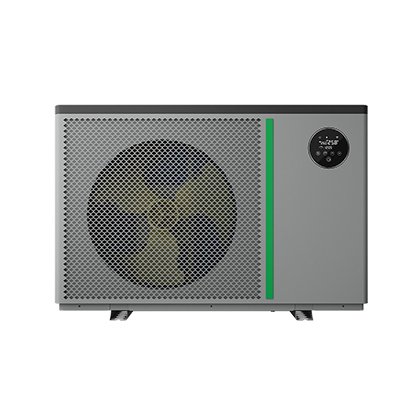
Do Heat Pumps Use a Lot of Electricity? A Data-Driven Breakdown
Short answer: No. Air source heat pumps are three to four times more efficient than conventional electric heating systems, meaning they use significantly less electricity to deliver the same amount of heat. For anyone evaluating heat pump products for their market, understanding the real electricity consumption profile is essential for accurate positioning and customer guidance.
This guide breaks down the actual consumption data, the factors that drive electricity use, and what to consider when selecting products for different markets and applications. KLR Group, a heat pump manufacturer with over 20 years of experience and 400+ global OEM/ODM partnerships, serves as a reference point for the product and technical considerations discussed throughout.
The Efficiency Advantage: Why Heat Pumps Use Less Electricity
The core reason heat pumps use less electricity lies in how they operate. Unlike electric resistance heaters that convert 1 kW of electricity into 1 kW of heat, heat pumps move heat rather than generate it. A typical air source heat pump delivers 2.5 to 5 kWh of usable heat for every 1 kWh of electricity consumed, depending on operating conditions.
This efficiency is measured by the Coefficient of Performance (COP) for instantaneous performance, or Seasonal Performance Factor (SPF) for annual performance. In the UK, the average SPF for a typical air source heat pump is 2.8 (280% efficiency), meaning each unit of electricity produces 2.8 units of heat output. Ground source heat pumps achieve even higher SPF values of around 4.1 (410% efficiency) because ground temperatures fluctuate less than air temperatures.
This efficiency advantage directly translates to lower running costs per kWh of delivered heat — even when electricity prices are higher than gas. The critical metric is the “spark gap”: the ratio between electricity and gas prices. When this gap is favorable, heat pumps deliver significant operational savings.
KLR’s product development has focused on maximizing this efficiency advantage across real-world conditions. The company’s full DC inverter platform and Enhanced Vapor Injection (EVI) technology are designed specifically to maintain high efficiency at part-load and low ambient temperatures — the conditions where conventional heat pumps lose the most performance.
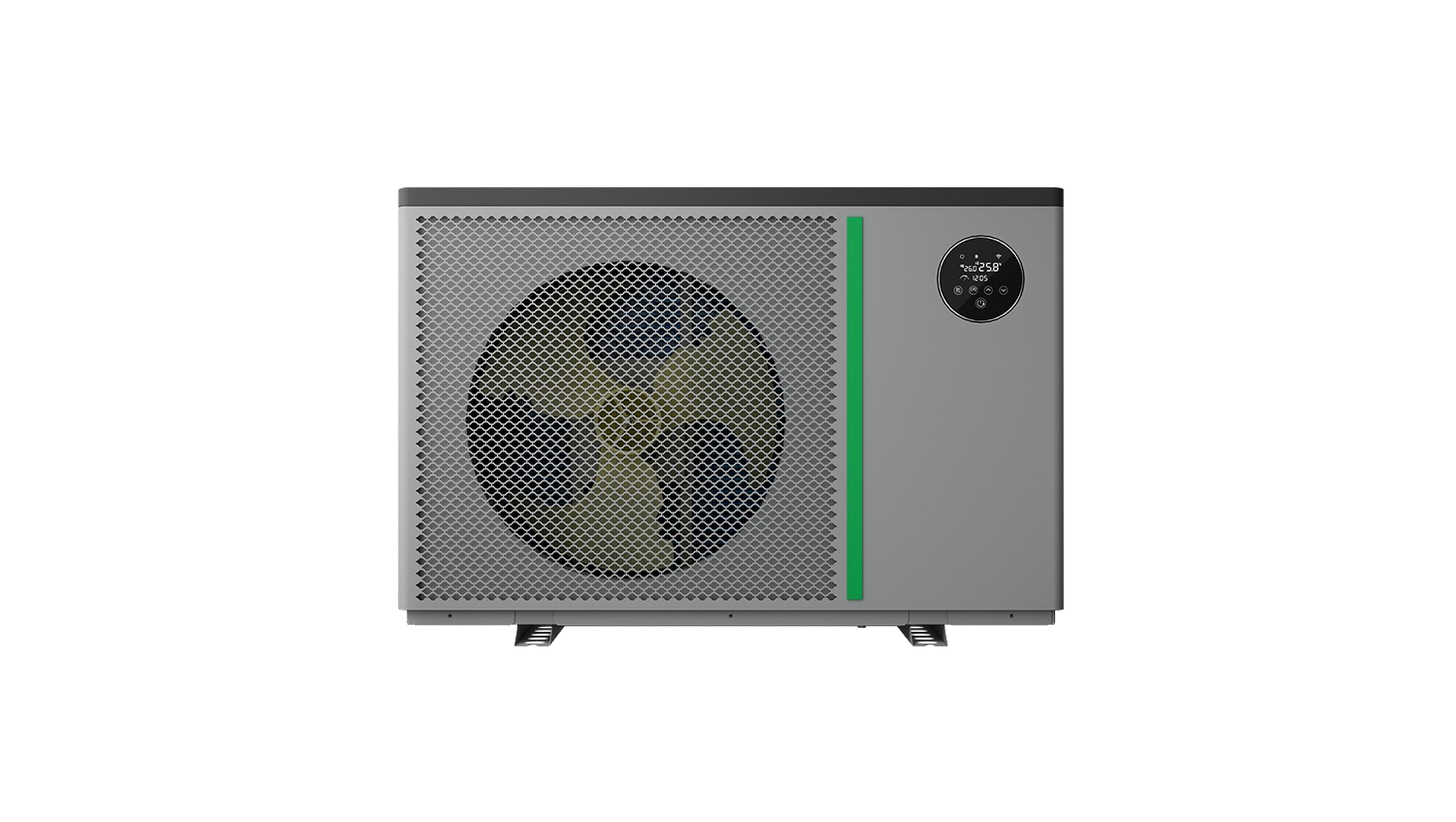
Real Electricity Consumption: What the Data Shows
Understanding actual consumption ranges is critical for setting realistic expectations with customers. The data varies significantly based on climate, building characteristics, and system design.
Daily consumption for a typical 8kW heat pump: 6–10 kWh on average, translating to 180–300 kWh per month. For context, this is roughly the same amount of electricity a typical home uses for cooking, lighting, and appliances. A gas boiler in the same home would typically consume 600–1,000 kWh of gas per month to deliver equivalent comfort.
Annual consumption ranges broadly, from approximately 400 kWh to over 22,000 kWh, depending on the factors discussed below. A moderate analysis suggests an average of around 5,500 kWh per year for residential heat pumps in the US.
In colder climates with longer heating seasons, annual consumption may reach 8,000 kWh or more. In milder climates with less heating demand, consumption may be closer to 4,000 kWh per year.
These figures provide a baseline for product positioning and for calculating running cost estimates for target markets. However, actual consumption depends heavily on the factors below — which is why KLR designs its cold-climate series, including the KLR-EDM Series operating down to -35°C, to maintain rated efficiency in conditions where standard heat pumps would consume significantly more electricity.
What Drives Electricity Consumption
Electricity consumption is not determined by the compressor alone. Total system electricity includes auxiliary components such as circulation pumps, fans, controls, and defrost energy, as well as the compressor itself. Understanding these drivers helps in selecting the right products and supporting customers effectively.
1. Flow Temperature Demand
This is the most direct system-level driver of electricity consumption. Higher flow temperatures increase the temperature lift the heat pump must achieve, which raises electrical input for the same heat output. Heat pumps perform best when paired with underfloor heating or larger radiators that require lower flow temperatures, typically 35–45°C rather than 55–65°C.
This means product selection should align with the heating distribution system in the target market. Retrofits with existing high-temperature radiators may require heat pumps with higher output temperature capabilities, which can reduce efficiency but still outperform electric resistance heating. KLR’s R290 series, for example, delivers output temperatures up to 75°C, making it suitable for retrofits where lower flow temperatures are not feasible.
2. Outdoor Temperature and Defrost
Cold outdoor conditions reduce available environmental heat and can trigger defrost cycles, both of which increase electricity consumption per unit of delivered heat. Air-source units in humid, cold conditions are particularly affected.
However, modern DC Inverter technology significantly improves cold-climate performance. Inverter-driven heat pumps modulate compressor speed to match demand, avoiding the energy waste of frequent start-stop cycling and maintaining stable set-points with less buffer volume. This technology is most efficient at cold temperatures, making it ideal for winter heating demand.
KLR has built its product platform around full DC inverter technology, with the Titan Inverter EVI series delivering 100% heating output at -25°C without backup electric strips — a performance level validated at Canada’s Northern Research Institute Arctic Chamber.
3. Part-Load Operation and Cycling
Heat pumps often operate at part load for most of the year. Poor control setup or oversizing leads to frequent cycling (start-stop operation), which increases losses and electricity use. This is a critical consideration for installers: correct sizing and intelligent controls directly impact real-world efficiency and customer satisfaction.
4. Domestic Hot Water Settings
Hot water production typically requires higher temperatures than space heating (50–60°C vs. 35–45°C). Higher hot water setpoints and frequent reheating cycles increase electricity consumption because the heat pump operates under more demanding conditions. For markets with high domestic hot water demand, products with dedicated hot water modes or hybrid configurations may be appropriate.
KLR offers both split system and all-in-one heat pump water heaters with tank sizes of 150L, 200L, and 300L, plus commercial hot water series using titanium heat exchangers for hotels, schools, and large residential communities.
5. Installation Quality
Studies show that installation faults — including improper refrigerant charge, incorrect airflow, and oversized equipment — can cause significant performance degradation and increased annual energy consumption. This underscores the importance of supplier technical support and installer training as part of the product offering.
KLR addresses this through 24/7 technical support, comprehensive documentation, and a field-replaceable module design that simplifies maintenance and reduces installation-related performance issues.
Standard Ratings vs. Real Consumption: What to Communicate
A common source of confusion is the gap between standardized efficiency ratings and actual electricity consumption. Understanding this distinction helps provide accurate guidance to customers.
COP and EER are measured at defined test conditions and help compare performance at a single point, but do not predict annual electricity consumption on their own.
SCOP (Seasonal Coefficient of Performance) and ηs (seasonal space heating energy efficiency) account for part-load behavior and auxiliary electricity in a standardized way. These ratings are useful for comparing products across the market.
SPF (Seasonal Performance Factor) is calculated from real metering data and reflects the installed system. Field monitoring projects show typical achieved SPF values in practice, which may differ from standardized ratings.
The practical implication is that product selection should be based on SCOP for standardized comparison, but real-world expectations should reference SPF and system design factors — especially flow temperature, controls, and auxiliary loads. KLR’s products carry 50+ international certifications including CE, CB, ISO9001, ISO14001, and ERP A+++ ratings, providing verified performance data for market comparison.
Calculating Electricity Consumption: A Practical Formula
For those providing estimates to customers, the following formula is useful:
Power consumption = Heating output / SPF × Operating hours
Example: A 10 kW heat pump with an SPF of 4.0 running 2,000 hours per year requires:
10 / 4.0 × 2,000 = 5,000 kWh per year
Electricity cost = Power consumption × Cost per kWh
For the same system at a rate of $0.20/kWh: 5,000 × 0.20 = **$1,000 per year**.
This formula provides a baseline estimate. Actual consumption will vary based on the factors discussed above. Offering this calculation as part of sales support adds tangible value for installers and end customers — and KLR provides this kind of technical support to its OEM/ODM partners as part of the collaboration.
Cost Comparison: Heat Pump vs. Other Heating Systems
The electricity consumption question is ultimately a cost question for most customers. Here is how heat pumps compare:
Heat pumps vs. electric resistance heating: Heat pumps use 3–4 times less electricity than storage heaters, electric radiators, or electric boilers to deliver the same comfort. This is the strongest efficiency argument for heat pumps.
Heat pumps vs. gas boilers: Under current tariff caps, bills are likely to stay similar when switching from a gas boiler to a heat pump. The efficiency advantage of the heat pump is partially offset by the higher price of electricity per kWh compared to gas. However, smart tariffs, solar panels, and battery storage can shift the economics significantly in favor of heat pumps, with potential savings of up to £600 per year compared to standard electricity tariffs.
Heat pumps vs. oil, LPG, or electric boilers: Likely savings on heating bills when switching from these systems.
The key message is that heat pumps are cost-competitive with gas boilers and significantly cheaper than direct electric heating — and the economics improve further with flexible tariffs and renewable integration.
Implications for Product Selection and System Design
For Distributors and Dealers
Product selection should prioritize SCOP and SPF ratings alongside COP, as these better reflect real-world performance. Inverter-driven models with cold-climate optimization (EVI technology) deliver better performance in markets with harsh winters. For markets with high hot water demand, products with dedicated hot water modes reduce the efficiency penalty of high-temperature operation.
KLR’s portfolio spans residential and commercial heat pumps, pool heaters, water heaters, and heat recovery systems — allowing distributors to build a complete product line from a single manufacturing partner, with competitive factory pricing for bulk orders.
For Engineering Contractors
System design is as important as product selection. Flow temperature optimization (pairing with underfloor heating or oversized radiators where possible) directly reduces electricity consumption. Correct sizing avoids cycling losses, and intelligent controls with weather compensation and scheduling maximize real-world efficiency.
KLR’s industrial-grade Titan series, with dual rotary compressors and predictive analytics, addresses demanding commercial and industrial applications where reliability and efficiency are paramount.
For Brand Owners
Positioning should emphasize total cost of ownership rather than just unit efficiency ratings. The electricity consumption profile — lower than electric resistance, comparable to gas in many markets — supports a compelling value proposition. Supporting documentation with consumption estimates for different climates and building types adds credibility and reduces sales friction.
KLR offers end-to-end OEM/ODM services covering appearance design, labeling, packaging, refrigerant selection, power supply configuration, and performance parameters tailored to specific markets. With 200+ patents and over 10% of annual revenue invested in R&D, the company supports brand owners in developing differentiated products rather than commodity offerings.
For All Partners
The installation quality factor means that supplier support (training, documentation, technical hotlines) is a differentiator. Partners who can demonstrate lower callbacks and better field performance have a competitive advantage in the selection process.
KLR reports a <0.5% field failure rate and a 15-year design life for its heat pump products — metrics that directly address the installation quality and reliability concerns discussed above.
📩 Want to Build a Heat Pump Line That Stands Out on Efficiency?
Whether you are a distributor looking for a complete product range, a brand owner seeking private-label manufacturing, or an engineering contractor sourcing reliable cold-climate heat pumps, KLR Group can support your project from design to delivery.
What you get when you partner with KLR:
Free OEM/ODM solution consultation and product selection support
Custom refrigerant (R32 / R290), capacity, enclosure, and control interface options
Certified products (CE, CB, ISO, ERP A+++) ready for your target market
Technical documentation and consumption estimates for your sales support
24/7 technical hotline and after-sales support
Competitive factory pricing for bulk orders
Get in touch today:
Email: info@klrheatpump.com
Phone / WhatsApp: +86 134 2453 1875 (24/7 technical hotline)
👉 Send us your target specifications and market requirements—our engineering team will respond with a customized proposal within 24 hours.
Summary
Air source heat pumps do not use a lot of electricity relative to the heat they deliver. Their 3–4x efficiency advantage over electric resistance heating means lower consumption for equivalent comfort, and they are cost-competitive with gas boilers under current tariffs. Actual consumption depends on climate, building characteristics, system design, and installation quality — factors that can be influenced through product selection and technical support.
For distributors, dealers, engineering contractors, and brand owners, the key takeaways are: prioritize SCOP/SPF data, select inverter-driven models for cold climates, support proper system design and installation, and communicate real-world consumption expectations clearly. These practices build trust with end customers and maximize the value proposition of heat pump technology.
KLR Group exemplifies a manufacturing partner equipped to support these objectives — combining full DC inverter technology, dual refrigerant pathways (R32 and R290), extensive certifications, and proven OEM/ODM customization capability. As efficiency standards tighten and refrigerant regulations evolve, partnerships with manufacturers possessing both technical depth and compliance infrastructure will become decisive.
This article is based on 2026 industry technical data and market practices, intended as a reference for distributors, dealers, engineering contractors, and brand owners in their procurement and product decisions. Product specifications and certifications referenced are sourced from publicly available KLR Group materials.